
Freedom and hope after partner betrayal trauma with Accelerated Resolution Therapy
Online Individual Therapy for Partner Betrayal Trauma
Serving clients in Massachusetts, Florida, Washington State, & Oregon
Symptoms of Partner Betrayal Trauma
It’s 2am and you’re awake again. Not because of a noise or an alarm, but because your brain decided to replay the moment you found out. You check their phone while they’re sleeping. Nothing new. You put it back and lie there, heart pounding.
Morning comes and your partner kisses you goodbye on their way to work. They mention they’re running late to a meeting. As soon as the door closes, your heart is racing. What meeting? With who? You check their location. You check it again twenty minutes later. They’re where they said they’d be, and it doesn’t help at all.
At lunch with a friend, you’re nodding along to their story when your mind leaves the room. You’re seeing your partner with the other person, your brain filling in details like a movie director, scenes you never witnessed but can’t stop watching. Your friend asks if you’re okay. You say you’re just tired.
The worst part is what the betrayal did to your sense of reality. You replay the last three years, five years, and you can’t tell what was real anymore. That anniversary trip where everything felt perfect: were they already lying? The nights they said they were working late: were any of them true?
You used to trust your own read of your life, and now you don’t trust your read of anything. Not the relationship, not your partner, not your own judgment.
Evening used to be your favorite time together. Now you watch them watching TV, studying their face for something you can’t name. When they laugh at their phone, your chest tightens. “Who’s that?” you ask, trying to sound casual. They show you. It’s their mom. You don’t believe them.
Later, alone in the bathroom, you catch yourself scrolling through the other person’s Instagram, comparing. You know it doesn’t help and you regret it every time, but you can’t seem to stop.
You cancel dinner with a friend because you don’t have the energy to pretend you’re fine one more time. You snap at your kids over something small and feel terrible about it.
You’re drinking more than you used to, or you’ve lost weight you didn’t mean to lose, or you’re functioning perfectly at work while falling apart the minute you get to your car.
You’re becoming someone you don’t recognize, and the thing that scares you most is that you don’t know how to stop it.

What Life Looks Like After Partner Betrayal Trauma Therapy
Research from the University of Oregon shows that betrayal by a partner creates a specific kind of damage that other traumas don’t.
It disrupts your ability to trust your own perception, your capacity for closeness with other people, and even your physical health.
Here’s what my clients describe after our work together, once that damage starts to reverse:
You trust your own judgment again. You make a decision about your marriage, your finances, or your living situation and you don’t need to run it past three friends and your sister to make sure you’re not crazy. The fog of “what if I’m wrong about everything” lifts, and you can see your options clearly enough to choose one.
You’re present with the people who matter to you. You sit on the floor and play with your kids without your mind drifting to the affair. You have dinner with a friend and you’re in the conversation instead of pretending that you’re fine. If you’re rebuilding the relationship, you can have a difficult conversation with your partner without your nervous system preparing to fight, or shutting down. If you’re divorcing, you can co-parent a Saturday morning without spiraling afterward.
Your body stops keeping score. The jaw clenching, the stomach problems, the tension headaches, the 3am wakeups with your heart pounding: those are your nervous system responding to an old threat, not what’s happening. When the trauma resolves, your body follows. You sleep through the night, you eat a normal meal, and you wake up thinking about your day, not about what your partner did.
You can focus on your career goals and ambitions. You sit through a meeting or a client call, and your mind stays in the room. You write the brief, finish the project, see the patients. The hours you were spending on obsessive investigating and mental replay open back up, and you use them to do your job, build your business, or figure out what’s next.
You start making plans again. You book the trip. You look at apartments. You start the conversation with the attorney, or with your partner, or with yourself about what you want your life to look like. The future stops feeling like a looming threat, and starts feeling like something you have the power to shape and influence.
The facts don’t disappear, and you will still remember what happened. There could still be a conversation you’ve been putting off for weeks, a separation agreement, or choosing a couples therapist in front of you.
But you’ll make those decisions with a clear head and a regulated nervous system, with the kind of clarity that comes from knowing who you are and where you’re going.
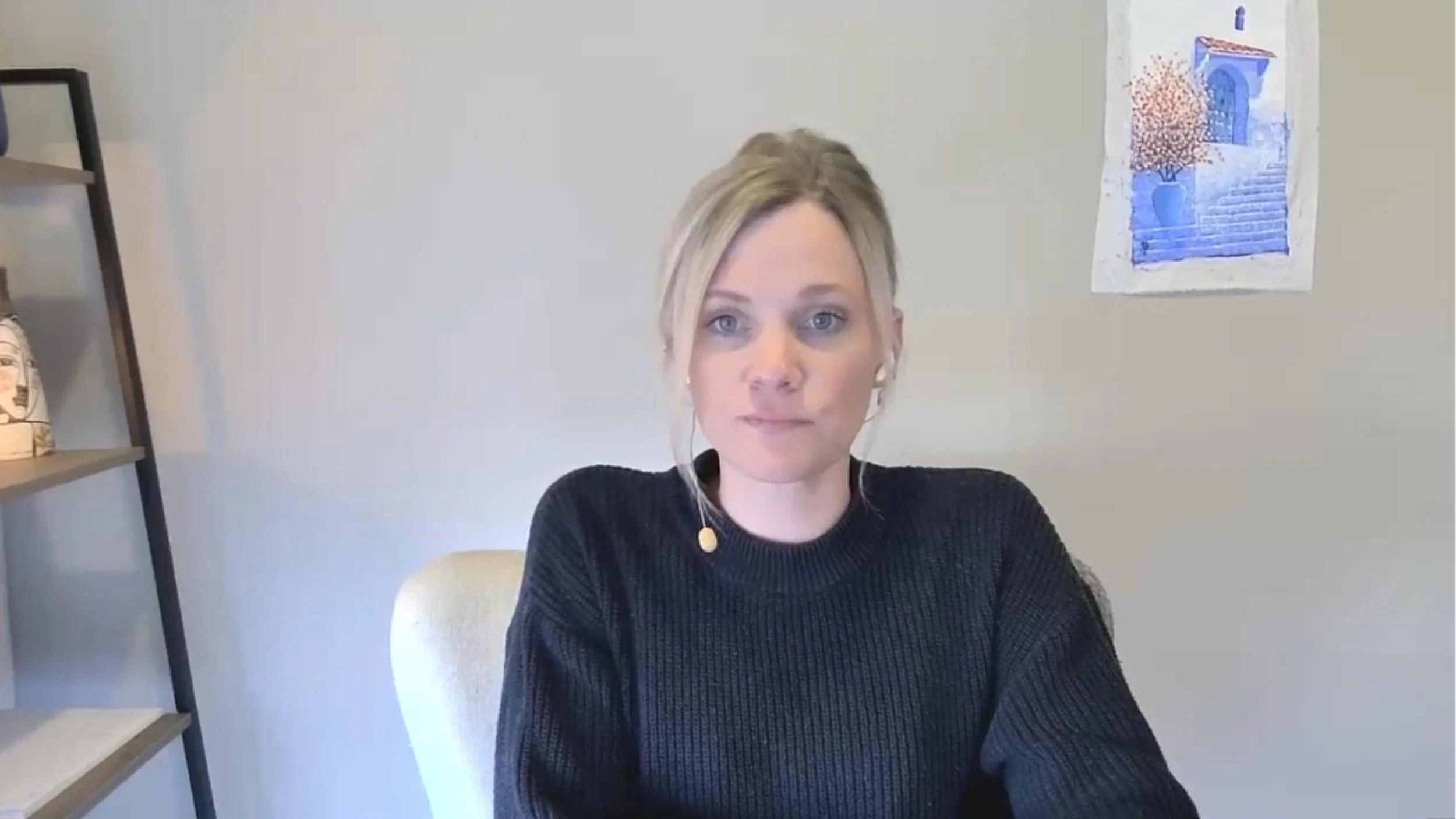
Learn more about online partner betrayal trauma therapy by watching the video here…
How Accelerated Resolution Therapy Treats Partner Betrayal Trauma
Here’s what makes ART different from other therapy for partner betrayal trauma:
Most clients see significant relief in a handful of sessions or a half-day intensive, rather than months or even years of talk therapy
You don’t have to describe the details out loud at all
There’s no preparation or homework needed, and no drugs or hypnosis involved
Clients can feel something shifting within the first session, which is why 94% of people who start ART complete treatment, compared to about 60% for traditional talk therapy
Maybe the most important: ART provides healing from betrayal trauma at a level of completeness that talk therapy by itself can’t provide
ART is an investment in your freedom, mental health, and overall well-being.
Half-Day Intensive: $2,500
Up to 4 hours of focused treatment in a single session, plus follow-up check-ins at one week and 30 days. This is the format most betrayal trauma clients need. The extended time gives us room to work through everything without stopping mid-process.
For comparison: 6-12 months of weekly therapy runs $3,600–$12,000+, most of it spent processing the story of what happened rather than putting a stop to the nightmares, the anxiety, and the intrusive thoughts/images.
Not sure if ART is right for your situation?
Book a single session first ($500, 90 minutes). This isn’t a shortened version of treatment; it’s a chance to experience the process and make sure we’re a good fit before committing to the intensive. If you move forward, the $500 gets credited toward your intensive cost.
-
I specialize in all types of partner betrayal: infidelity, sexual affairs, emotional affairs, pornography, hidden dating profiles, financial deception, hidden substance use, etc.
The common thread is that your partner — someone you deeply trusted — fundamentally violated that trust, leaving you with symptoms of betrayal trauma. ART addresses that trauma response directly.
-
No. You don’t have to share any of the specifics. ART works with the images and sensations stored in your nervous system, not the verbal story. You can keep the details private and still process the trauma completely. Many clients find this privacy one of the most relieving aspects of ART.
This is especially helpful for people who are processing a business betrayal or work trauma and they have signed an NDA.
-
It will probably change the anger.
The trauma-driven anger (the kind that spikes your heart rate when you see their phone, the rage that wakes you up, the flooding that makes you say things you regret)… that part will likely soften because it’s tied to the trauma symptoms that ART helps to resolve.
What remains is more like clear-eyed assessment. You might still be angry, but it’s probably not the same white-hot, dysregulated anger. It’s more like: “What you did was wrong, and I’m deciding what I want to do about it.”
-
That’s completely normal. ART helps your nervous system calm down so that you can think clearly about those types of decisions. Right now, trauma is making every decision feel urgent and next to impossible.
After ART, you’ll still have the same choices to make, but you’ll be making them from a regulated place instead of from panic, rage, or numbness.
Many clients say they couldn’t even think about the relationship question clearly until their nervous system settled.
-
Great question. Both ART and EMDR use eye movements to help your brain reprocess traumatic memories, but there are some key differences in how they work and how quickly you’ll see results.
ART is more directive and structured. We focus on specific images that are triggering you and actively replace them with ones that feel neutral or empowering. There’s no homework between sessions, and each session is complete in itself; you won’t leave feeling worse or need to “process” between appointments.
EMDR is more exploratory. Your therapist follows where your associations lead, which can be valuable but also means sessions are less predictable. Some people find they feel worse temporarily as they process, and treatment typically takes longer (6-12+ sessions vs 1-5 for ART).
For betrayal trauma specifically, most of my clients appreciate that ART:
Gets results faster (you’re not waiting for months to feel better)
Doesn’t require you to talk through every detail of what happened
Leaves you feeling complete after each session, not raw or triggered
Actively replaces disturbing images rather than just desensitizing you to them
If you’ve tried EMDR and it helped but didn’t fully resolve things, or if it felt too slow or destabilizing, ART often works very well as an alternative.
-
Based on ART research for trauma generally, most issues resolve in 1-5 sessions, with a 94% treatment completion rate.
In my practice, I’ve seen partner betrayal trauma resolve in 1-2 sessions. For partners in couples therapy, this means that the betrayal trauma is no longer a barrier to making progress in working on the relationship. For partners who decide to leave the relationship, this means that the betrayal trauma is no longer hindering their grief or healing processes.
We’ll start with one session and assess from there. You’ll know after the first session if ART is working for you because most people feel noticeably different before they leave.
-
I see clients located anywhere in Massachusetts, Washington State, and Oregon.
I am also registered to see clients remotely in Florida and Vermont.
If you are located outside of the United States, there is a chance I can work with you. Please contact me to discuss your situation.

About Allyson Clemmons, LICSW
Partner Betrayal Trauma Therapist
My specialization in partner betrayal trauma emerged from years of treating affairs as a couples therapist. While couples work was essential for the relationship, I noticed betrayed partners also needed specialized individual therapy that wasn’t available. They would only find generic trauma treatment that kept them talking in circles for months, while their nervous systems remained hijacked by the betrayal.
I noticed that partner betrayal creates a specific type of trauma that requires targeted treatment. The neurological impact is profound, and it doesn’t resolve through insight or understanding alone.
Now I exclusively use Accelerated Resolution Therapy to help people move from obsessive investigating and constant triggering to genuine peace in just 1-5 sessions. You don’t need to manage partner betrayal trauma indefinitely. You can actually resolve it.
Licensed in Massachusetts, Washington, & Oregon
Telehealth registration in Florida
100% telehealth/remote/online
Get in touch
Contact Me or Self-Schedule Below
If you already know you would like to get scheduled, please do so using the button below. No need to contact me first unless you want to.
The link will take you to my secure, HIPAA-compliant scheduling tool where you can choose a day and time and pay for your session to reserve it. You’ll then receive an email invitation to complete your new client forms. Then we’ll meet on your scheduled day!
Have questions before scheduling?
Use this form to ask about whether ART is right for your situation, how the process works, or anything else you’d like to know. I typically respond within 24-48 business hours.
long-term healing from betrayal trauma
—
long-term healing from betrayal trauma —